

Creating open-ended game worlds is enticing yet complicated. You might wonder how to make a sandbox game that truly engages players.
I get it. The challenge is real.
In this article, I’ll demystify the process of sandbox game development. I’ll break down core concepts and technical execution without the jargon.
Having analyzed countless sandbox titles, I know what resonates with players. I understand game design quality standards and current gaming trends.
You’ll find practical takeaways that both aspiring and current developers can use. I want to help you build engaging, player-driven experiences.
Whether you’re struggling with mechanics or story arcs, this guide will cover it all. I’ll share what I’ve learned through my own experiences and research.
By the end, you will have a clearer path to mastering open world game design. Let’s dive into the world of sandbox games together.
Sandbox Games: Where Freedom Reigns
What makes a game a true sandbox? It’s all about player freedom. In a sandbox game, you do what you want, when you want.
Unlike open-world games that follow a more linear narrative, sandbox games let you shape your own story.
Take Minecraft. It’s the poster child for player-driven objectives and crafting systems. You can spend hours building without a script telling you what to do next.
Garry’s Mod and Terraria offer similar experiences, each with vast, interactive worlds that let players explore and create at their own pace.
Why do players love sandbox games? Maybe it’s the thrill of exploration without boundaries. Or the satisfaction of crafting something from nothing.
These games give us a taste of control we often lack in real life. And let’s be honest, who doesn’t want to play god for a bit?
Does this mean open world game design is less appealing? Not at all. It’s just a different beast.
While open-world games can offer structured storytelling, sandbox games deliver that sweet, sweet freedom. You can learn more about how game design ensures accessibility, enhancing everyone’s gaming experience. Which do you prefer?
Designing for Emergence: The Open-Ended Experience
Let’s talk about emergent gameplay. It’s the beating heart of sandbox games. Traditional scripts?
Toss them. Players crave discovery, not just following a linear path. When designing for emergence, you need open-ended systems and unexpected player interactions.
How do you pull it off? Balance is key. Provide structure (core) mechanics, a whisper of lore (while) resisting the urge to script every possible outcome.
Does that mean chaos reigns? Not exactly. Flexible objectives and diverse toolsets can guide players, giving them just enough direction without shackling their creativity.
The real challenge? Fostering genuine player agency. Players should write their own stories within your world.
Have you ever tinkered with a “playbox”? It’s where players experiment with game mechanics. Simple, right?
Not really.
The open world game design isn’t about dumping players into a void. It’s about crafting a world that invites exploration and imagination. For more takeaways, check out this breakdown.
Here’s a pro tip: don’t let your game feel aimless. Structure and freedom can coexist, but it takes clever design. Can you strike that balance?
That’s the question every game designer faces.
Technical Foundations: Engines, Tools, and Procedural Generation
Open world game design isn’t for the faint-hearted. I’ve been there, tangled in the web of engines. Unity and Unreal Engine are the go-tos for sandbox development.
Unity gives flexibility (almost too much at times) while Unreal offers stunning visuals. Custom engines? Only if you like headaches.
Procedural generation is the real game-changer here. It crafts vast, varied worlds without driving you to madness. Terrain, flora, structures, quests.
Each demands its own logic. Implementing them can be tricky. You can’t just throw code at it and hope it sticks.
Now, let’s talk tech. A strong physics engine is important. You don’t want players walking through walls.
Persistent world saving and changing loading/unloading of assets keep everything smooth. The multiplayer aspect (if you’re brave enough to tackle it) introduces a whole new set of complications.
Tools for asset creation, world building, and scripting are your best friends. But which to choose? That depends on your end goal and, frankly, your patience.
Now, what technical hurdles should you anticipate? Integration and optimization are nightmares you’ll face. But, isn’t that the thrill?
The rollercoaster ride of open world game design keeps us coming back.
From Prototype to Persistent World: The Sandbox Odyssey
Building a sandbox game is like wrestling with a dragon that keeps changing shape. You start with a prototype. Why?
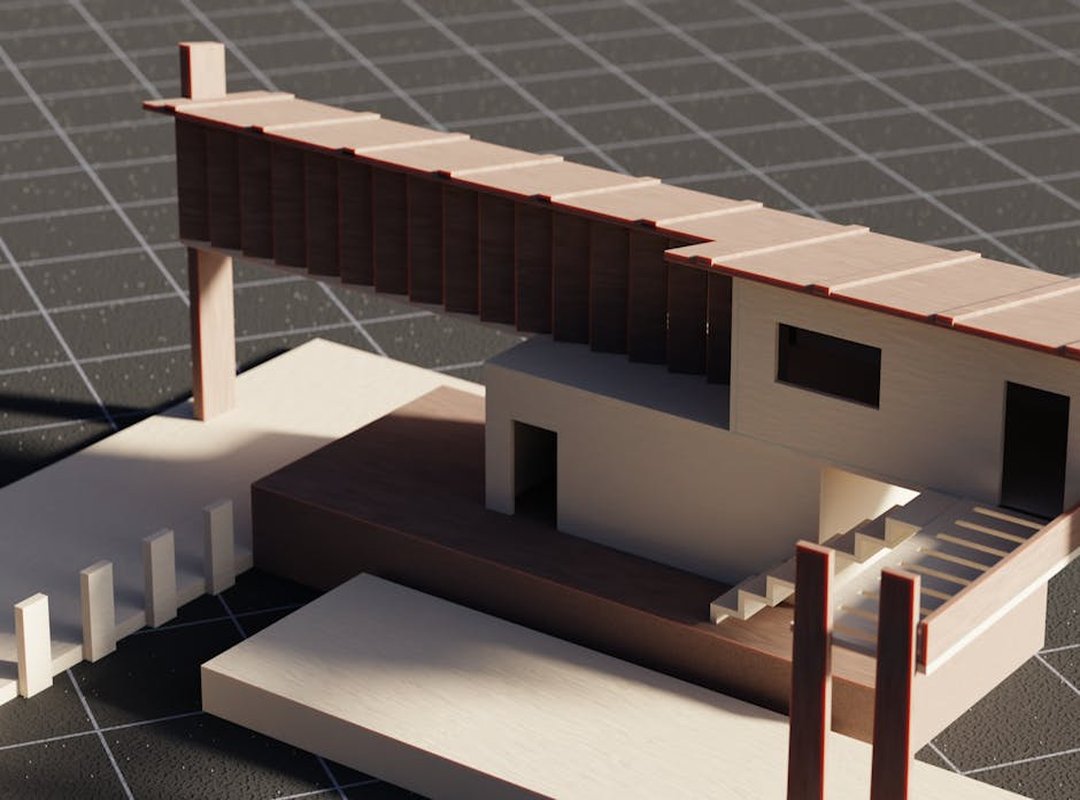
Because in open world game design, getting your core loop right is everything. The “fun first” approach is not just a mantra; it’s survival. If your game isn’t fun in its simplest form, adding layers won’t fix it.
Scope creep is the bane of sandbox developers. You know the feeling (endless) features popping up like mushrooms. Learn to say no.
Set boundaries early. Each new idea should fit your core vision, or it’s a distraction. Testing then becomes a battlefield.
Stress testing, edge cases, player-driven exploits. You can’t skip these. They’ll sink your ship faster than you can say “release date.”
Content pipelines need to be as flexible as your imagination. As your world grows, so should your ability to populate it with meaningful content. That means fast workflows and tools that adapt.
Want to balance mechanics and story? Check out Balancing Mechanics Story Games.
Feeling overwhelmed? Breathe. Focus on your core.
Remember, Rome wasn’t built in a day, and neither is a sandbox game. But each step gets you closer to your epic world.
Beyond Launch: Building and Thriving Post-Release
Keeping a sandbox game alive long after launch isn’t just a nice-to-have. It’s important. You know it, I know it: community is king.
Without an active community, your game might as well be a ghost town. Regular updates and modding support aren’t just strategies; they’re lifelines. They make players feel like they have a say.
And let’s be honest, who doesn’t love a developer that listens?
Monetization is tricky, though. Whether it’s premium purchases or cosmetic microtransactions, there’s a fine line between making money and exploiting players. Ethical considerations are key.
You can’t just slap a price on everything and expect players to stick around. DLC expansions? Those can keep the game fresh, but only if they’re done right.
Now, onto post-launch content. Planning updates and expansions can make or break long-term success. Analyzing player data isn’t just for fun.
It’s a necessity to inform future development and content creation. How else will you know what players actually want?
So, how do you keep players engaged and your sandbox game thriving? Simple. Listen to them.
Engage them. Keep the content flowing. Open world game design is about more than just the game itself.
It’s about the experience you create and sustain. Community is not just a buzzword; it’s your game’s heartbeat.
Your Path to Game Development Success
I’ve laid out a roadmap for you to tackle the complexities of open world game design. You want to create player-driven, emergent experiences without losing quality. It’s no small feat, but success relies on mixing creative design, technical skill, and community input.
Start prototyping today. Iterate on your core mechanics. Embrace the journey of crafting immersive digital worlds.
Can you imagine the impact you’ll have on the gaming space?
Don’t wait. Dive into development now and be part of the evolution of interactive entertainment. Your ideas can shape the future.
Let’s get started.
 Jaxithia Pennmoor played a vital role in shaping the user experience and cultural direction of the platform. Focused on the psychological aspects of interactive play, she spearheaded initiatives surrounding gamer motivation techniques and trend analysis. Her creative input ensured that the project resonated deeply with the community, fostering an environment where complex gaming insights are accessible and engaging for a global audience.