
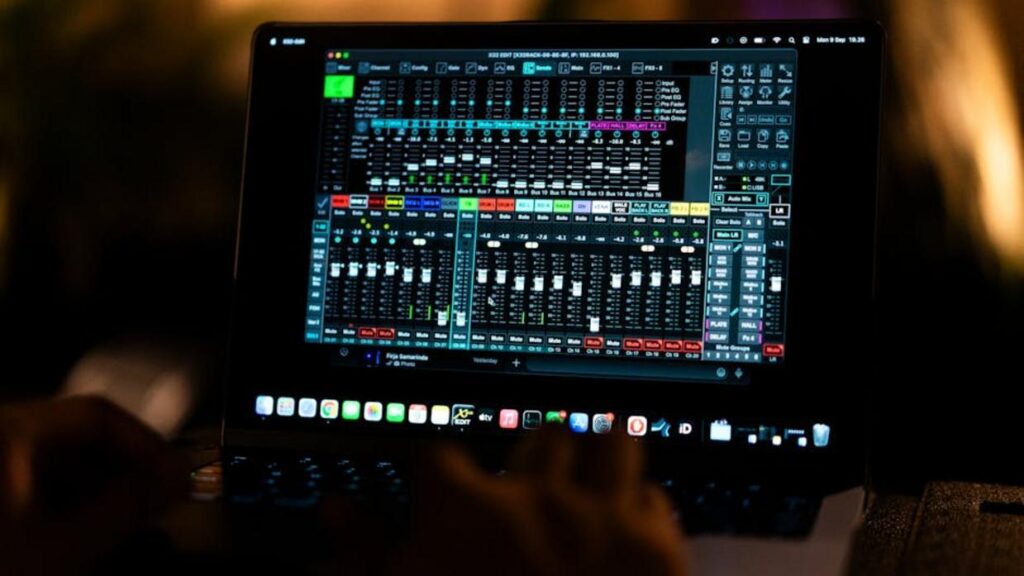
I’ve mixed live sound for years and I can tell you this: riding faders for dozens of channels during a performance will wear you down.
You’re probably here because you’re tired of the stress. Tired of missing cues. Tired of that one channel that always seems too hot or too quiet.
Here’s what changed for me: best automatic song mixing software excnconsoles that actually work on hardware mixing consoles. Not just in theory. In real performances where things go wrong and you need the mix to hold together.
I tested these tools in actual live environments. Not in a quiet studio. On stages where bands don’t sound check properly and vocalists move around the mic.
This guide compares the top auto-mixing solutions that integrate with your console. I’ll show you which ones deliver a consistent mix without you babysitting every fader.
We’re focusing on what works under pressure. What keeps your mix clean when you’ve got a dozen other things demanding your attention.
You’ll learn which systems are reliable, which ones play nice with your existing workflow, and which features actually matter when you’re in the middle of a show.
No fluff about the future of audio. Just the tools that work right now on the consoles you’re already using.
Understanding ‘Automatic Mixing’ for Live Performance
You’ve probably heard someone say they use an auto-mix feature on their console.
Maybe you assumed it’s like those one-click studio plugins that promise to mix your track for you.
It’s not.
Live automatic mixing works completely different. And honestly, the name confuses people because it sounds like you’re handing over control to some algorithm that makes all your decisions.
Some engineers will tell you that any form of automation is lazy. That if you’re not riding every fader manually, you’re not really mixing. They see auto-mix as a crutch that dumbs down the craft.
I understand where they’re coming from. But here’s what that view misses.
Live auto-mixing isn’t about replacing you. It’s about solving specific problems that would be impossible to manage manually when you’re juggling 20 other things during a show.
Let me break down what you’re actually getting with excnconsoles.
Automatic Mic Mixing (AMM) handles multiple speakers talking over each other. Think panel discussions or theater productions where actors move between mics. It adjusts levels so the active speaker comes through clearly without you touching a thing.
Dynamic EQ and Gating work in the background. They cut harsh frequencies before they become problems and reduce bleed from other sources on stage. (This alone has saved me countless times during festival changeovers.)
Then there’s Gain Sharing and Feedback Suppression. These keep your overall volume consistent and stop feedback before it starts screaming through the PA.
Compare this to the best automatic song mixing software excnconsoles offers for studio work. In the studio, you’re shaping tone and making creative choices. Live, you’re solving problems in real time.
The goal here is consistency. You want every speaker heard clearly and every performance free from technical disasters.
Your creative decisions? Those are still yours.
Crucial Features for Console-Based Auto-Mixing Software
You’re standing in front of two mixing consoles.
One has auto-mixing built right into the hardware. The other needs external software and a laptop running protocols you’ve barely heard of.
Which one do you trust when you’re 30 seconds from showtime?
I’ve been asked this question more times than I can count. And here’s what most people get wrong about auto-mixing software.
They think it’s all about features. More algorithms, more presets, more bells and whistles.
But that’s not what matters when you’re running live sound.
Some engineers will tell you that external protocol systems like Dante or MADI give you more flexibility. They say you need that extra layer of control to really dial things in. And sure, if you’re running a massive festival rig with 200 inputs, maybe they have a point.
But here’s what they’re not telling you.
Every extra protocol is another point of failure. Another thing that can drop out or introduce latency when you least expect it (usually during the opening song).
Native integration wins almost every time. When auto-mixing lives inside the console itself, you cut out the middleman. No external computers. No network hiccups. Just the best automatic song mixing software excnconsoles working directly with your hardware.
Latency is where most systems fall apart.
You need sub-5ms response time. Anything higher and you’ll hear the delay between when someone speaks and when the mic opens. It sounds unnatural and your audience will notice.
The excnconsoles gaming guide from eyexcon covers this in detail, but the short version is simple. Direct hardware integration almost always beats external protocols for speed.
Then there’s stability.
Your software can’t crash. Period. I don’t care how good the algorithm is if it locks up halfway through a worship service or corporate presentation.
Look for lightweight processing that doesn’t tax your system. Proven code that’s been tested in real venues, not just labs.
And here’s the part nobody talks about enough.
You need manual override. Instant, no-questions-asked control when the software makes a bad call.
The interface should be clear enough that you can grab a fader or mute a channel without hunting through menus. Auto-mixing should assist you, not lock you out of your own console.
Top Software & Systems for Automated Console Mixing
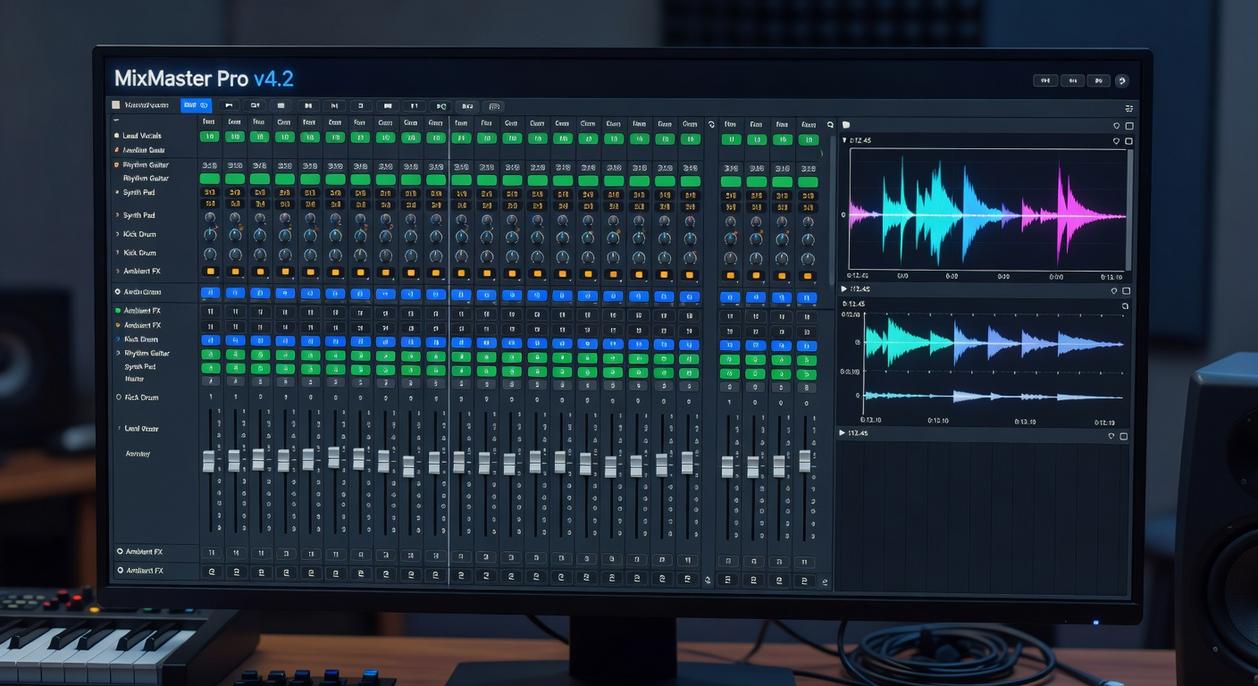
Most engineers I talk to think automatic mixing is either magic or garbage.
Neither is true.
I’ve used these systems for years in live production. Some work brilliantly. Others create more problems than they solve.
The real question isn’t whether you should use auto-mixing. It’s which system fits your workflow and whether you’re willing to trust it when things get messy.
Some purists say automation takes the art out of mixing. They argue that a good engineer should ride every fader manually. And sure, if you’ve got eight inputs and all day to soundcheck, go for it.
But try that with a 40-person panel discussion or a corporate event with 15 wireless mics. You’ll spend the whole show fighting feedback and chasing who’s talking next.
Here’s what I’ve learned. The RIGHT automation makes you better. The wrong kind just masks bad technique.
Category 1: Integrated Console Processors
Dugan Automixer is what I reach for first.
It’s built into Yamaha, Avid, and Sound Devices consoles. The gain-sharing algorithm works by measuring all active mics and redistributing gain so the total system gain stays constant (which is exactly what prevents that hollow room sound when multiple mics open).
I’ve run this on 20-mic pastor panels without touching a fader. It just works.
Allen & Heath Automatic Mic Mixer gives you solid performance if you’re on an SQ, Avantis, or dLive console. It offers D-Classic and Gain Sharing modes. I prefer Gain Sharing for speech because it sounds more natural when people talk over each other.
The interface is simpler than Dugan. Sometimes that’s exactly what you need.
Category 2: External Host & Plugin Solutions
Waves SuperRack with the Dugan Automixer Plugin gives you flexibility.
You run a dedicated host computer and process any console that has a digital interface. I use this setup when I’m on a console that doesn’t have built-in automation. The latency is low enough that I’ve never had sync issues.
Setup takes longer though. You need to know your routing cold.
Waves eMotion LV1 is a complete software mixer. It runs the best automatic song mixing software excnconsoles offers through Waves’ plugin ecosystem. You get deep control over every parameter.
But here’s the catch. You’re running your ENTIRE mix on a computer. If that machine crashes, you’re done. I only use this in controlled environments where I have backup systems ready.
Category 3: DAW Integration
Ableton Live or MainStage can work as processing racks.
I’ve built custom setups using low-latency plugins for complex routing that traditional consoles can’t handle. You can automate things that would take three engineers to pull off manually.
The risk is real though. DAWs weren’t designed for live mixing. One wrong click and you could mute your main output. I only recommend this if you’re comfortable with java assignment excnconsoles level technical work and have serious backup plans.
My take? Start with integrated solutions. Learn how gain-sharing actually works before you try building custom rigs.
How to Choose the Right Solution for Your Mixing Console
Picking the right mixing solution is like choosing the right tool for a job.
You wouldn’t use a sledgehammer to hang a picture frame. And you shouldn’t throw money at features you’ll never use.
I see people make this mistake all the time. They buy the flashiest setup without checking if it even works with their console.
Here’s how I approach it.
Start with what you already have. Your console might include an AMM or Dugan license right out of the box. Check the manual before you spend a dime on external gear.
Think of it like checking your pantry before going grocery shopping.
Next, look at your I/O situation. Can your console talk to an external computer? Do you have Dante, MADI, or USB connections that actually work under pressure? Because if your interface drops out mid-show, none of this matters.
Then ask yourself what you’re really mixing. Spoken word panels need different tools than live music. Dugan and AMM excel at keeping multiple mics balanced during discussions. But if you’re mixing bands, you’ll want the best automatic song mixing software excnconsoles can offer, with multiband compression and dynamic EQ.
It’s the difference between a Swiss watch and a stopwatch. Both tell time, but they’re built for different purposes.
Finally, budget for the whole system. Not just the software license. You need a dedicated computer that won’t crash, cables that can handle the load, and interfaces you can trust.
Add it all up before you commit.
Mix Smarter, Not Harder
You now have a clear framework for selecting the right best automatic song mixing software excnconsoles for your live console setup.
I know the stress of managing countless faders during a live show. The constant worry about feedback and keeping levels balanced can wear you down fast.
These automation tools change that. Whether you’re using integrated console features like Dugan Automixer or a flexible external host like Waves SuperRack, automation gives you consistency. It frees you up to focus on the creative parts of your mix instead of fighting technical fires.
The difference is real. You spend less time riding faders and more time shaping the sound your audience actually hears.
Here’s what to do next: Start by exploring the built-in capabilities of your current console. Most modern boards have automation features you might not be using yet.
Then grab a demo and experiment. See how automation changes your workflow during an actual show (or at least during rehearsal).
You came here looking for ways to simplify your live mixing process. Now you have the tools to make it happen.
Stop fighting your faders and start using them strategically.
 Yryvox Frost is the founder of ExcNConsoles.com, a platform dedicated to the technical and strategic depths of the gaming world. With a focus on game design quality and competitive excellence, Frost has built a space that bridges the gap between casual play and professional insight. By exploring gamer motivation and advanced industry concepts, he continues to shape ExcNConsoles into an essential hub for those looking to master the latest trends in interactive entertainment.