

Feeling stuck in games? Frustrated because you know you have the skill but still end up losing? You’re not alone.
Many gamers struggle with identifying, prioritizing, and executing in-game objectives. This leads to inconsistent performance and missed opportunities.
I’ve been there. I understand the pain of watching a game slip away due to a lack of clear direction. That’s why I want to help you tackle this issue head-on.
In this article, I’ll share a solid system for in-game goal setting that can raise your gameplay. You’ll learn to plan and coordinate efforts effectively, turning your individual skills into team victories.
These takeaways come from analyzing successful competitive play and understanding game design principles. Trust me; this advice is practical and grounded in real-world experience. By the end, you’ll have actionable strategies to improve your game and achieve consistent victories.
Get ready to transform your approach!
Objective Planning in Games: Why It Matters
In-game objective planning is more than just a plan. It’s a strategic process that identifies, prioritizes, and coordinates actions toward specific, measurable goals within a game’s environment. It’s not just about having a plan; it’s about having the right plan.
You know, the one that focuses on actionable steps and resource allocation.
Why should we care? Because it makes you win. Simple as that.
Effective planning means increased efficiency, better team coordination, and smarter resource use. When you prioritize objectives, like controlling a point or securing an item, you’re not just playing. You’re playing smart.
Think about it. In a MOBA, taking a jungle camp isn’t random; it’s planned. In an FPS, securing a control point isn’t luck; it’s objective-driven.
Even in an RTS, executing a build order is all about planning.
But wait, there’s more. It’s also about adaptive decision-making. The game changes, and so should your plan.
This is where you can really shine. Want to know more about how this ties into keeping a positive mindset while gaming? Check out how cultivating positive mindset gamers can make all the difference in your gameplay.
The Puzzle of Objective Planning: A Gamer’s Guide
Objective planning in games isn’t just some fancy term. It’s the core of smart gameplay. I get it (you’re) thinking, “Where do I even start?” Break those big game goals into tiny, bite-sized pieces.
Imagine you’re last-hitting a minion. That’s immediate. Winning the game?
That’s long-term.
And let’s talk priorities. Ever heard of a prioritization matrix? It’s not rocket science.
Just figure out what’s urgent, important, and what impacts the game state the most. Do you stop a push or grab a neutral objective? Decisions, decisions.
Now, resource allocation. You can’t just spam abilities and hope for the best. Think cooldowns, currency, player positions.
Make those trade-offs wisely.
But what if things go sideways? Risk assessment is your friend. Always have a backup plan.
In team games, clear communication is non-negotiable. Everyone needs to know their role. It’s all about alignment and coordination.
If one path is blocked, pivot (don’t) just freeze in the headlights.
For more depth on in-game goal setting, there’s a whole world to explore. Remember, planning is half the battle won.
Mastering Objectives: Game Strategies Unleashed
Let’s talk MOBA first. In these games, securing jungle objectives like Dragon or Baron is key. You can’t just wander around hoping for the best.
Coordinated ganks and managing wave states are important. And don’t forget siege planning. Towers and inhibitors won’t fall on their own.
Now, RTS games demand precision. Optimized build orders and scouting your opponent’s moves are key. Timing your attacks right can make or break the game.
Don’t neglect economic expansion and tech-tree progression. They’re not just buzzwords; they’re your path to victory.
In FPS games, planning around bomb sites and flag captures is non-negotiable. Utility usage (think smokes and flashes) can turn the tide. You need coordinated pushes and strong holds.
It’s all about the timing and teamwork.
For MMORPGs, both PvE and PvP need solid planning. Raid boss mechanics and dungeon routes require plan. Quest optimization is your friend.
Open-world PvP objectives, like resource nodes, are where the real fun begins.
While these strategies are universal, remember: each game’s mechanics and goals are unique. It’s all about balancing gaming everyday life. In-game goal setting isn’t a one-size-fits-all.
Adapt and conquer.
Overcoming Pitfalls: Objective Planning Done Right
Ever get so focused on a single goal that everything else fades? That kind of tunnel vision can lead to missing big opportunities or threats. (It’s like watching fireworks and missing the lightning storm behind you.) I always remind myself to do regular map checks and keep team chatter alive. It’s all about seeing the whole picture.
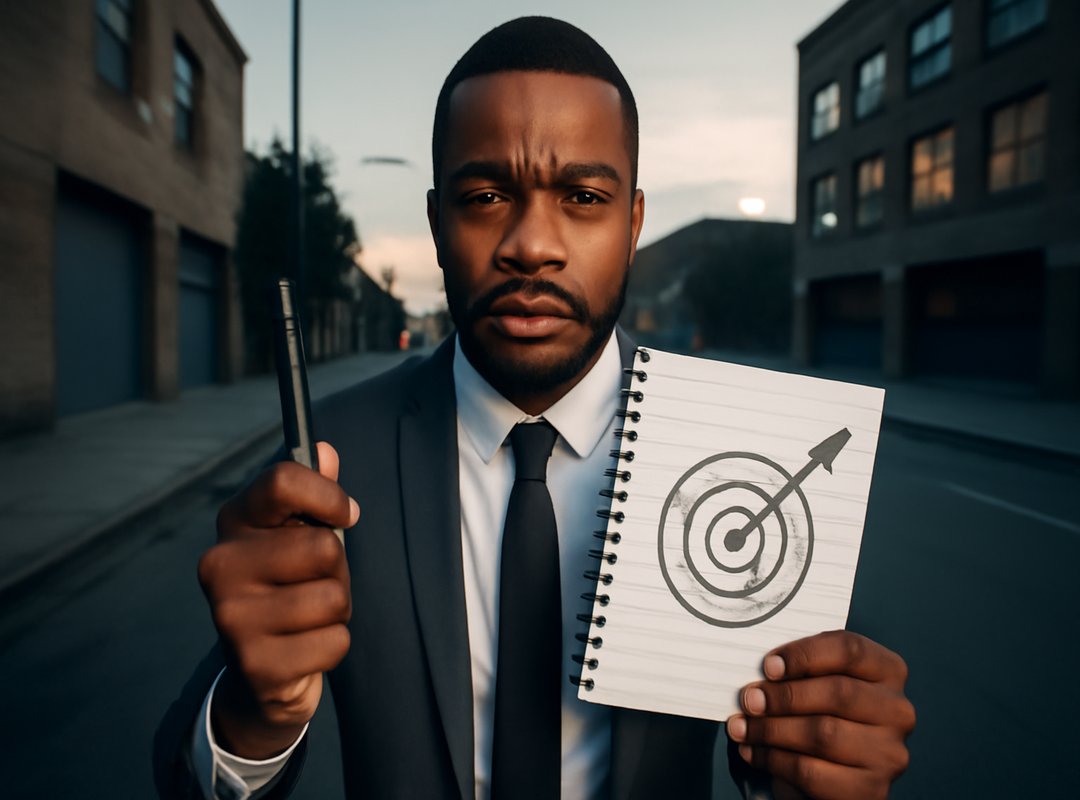
What’s worse than chasing a pointless objective while missing the big prize? Poor prioritization. It’s key to re-evaluate your in-game goal setting as everything evolves.
Stop chasing low rewards when high-value opportunities are waiting. Quick reassessment can save everything.
Sticking too rigidly to a plan is a disaster waiting to happen. I learned that adaptability is key. Planning for “if-then” scenarios and knowing when to pivot can be your saving grace.
Sometimes, the best-laid plans just need a tweak.
It’s simple but game-changing.
And let’s talk about communication breakdowns in team games. You know, those moments when vague calls ruin everything. Be clear, concise, and timely with your calls.
Lastly, don’t underestimate the opponent’s counter-play. Not considering how enemies might disrupt your plans? Big mistake.
Analyzing and incorporating counter-plan is the way to go. Always stay one step ahead.
Raise Your Game: Advanced Planning Strategies
Predictive planning is all about staying two steps ahead. Literally. If you can anticipate your opponent’s moves based on their current resources and strategies, you’re in a solid position to counteract.
Ever noticed how some players seem to know exactly what you’re going to do next? That’s not magic; it’s smart planning.
Now, let’s talk opportunity cost. In-game goal setting is not just about choosing objectives. It’s about weighing each option’s benefits and potential losses before diving in.
Playing it safe can sometimes be your worst enemy.
Psychological warfare can be your best friend. By leveraging strategic objectives, you can pressure opponents into making mistakes. Are you using objectives to force them into unfavorable engagements?
If not, you should be.
The blend of macro and micro planning ensures that your big-picture goals don’t get lost in the immediate tactical chaos. It’s like balancing on a tightrope.
Finally, post-game analysis isn’t just for the pros. Reviewing past games can turn failures into lessons. It’s about identifying what worked and what didn’t. (Pro tip: Record your gameplay for a more detailed analysis.)
Learning from your mistakes is key. No one becomes a master overnight. It’s about continuous improvement and adaptation.
Take Charge of Your Gaming Success
You now understand in-game goal setting and how to put it into practice. That frustration of inconsistent performance? It can change.
Structured objective planning is your answer. It leads to consistent wins and better teamwork.
I urge you to apply these strategies in your next gaming sessions. Focus on one or two concepts at a time. Practice, analyze, and refine your skills.
Ready to raise your game? Start now. You have the tools to overcome your challenges.
Don’t wait for success to come to you. Go out and claim it. Your gaming potential is waiting.
 Yryvox Frost is the founder of ExcNConsoles.com, a platform dedicated to the technical and strategic depths of the gaming world. With a focus on game design quality and competitive excellence, Frost has built a space that bridges the gap between casual play and professional insight. By exploring gamer motivation and advanced industry concepts, he continues to shape ExcNConsoles into an essential hub for those looking to master the latest trends in interactive entertainment.