
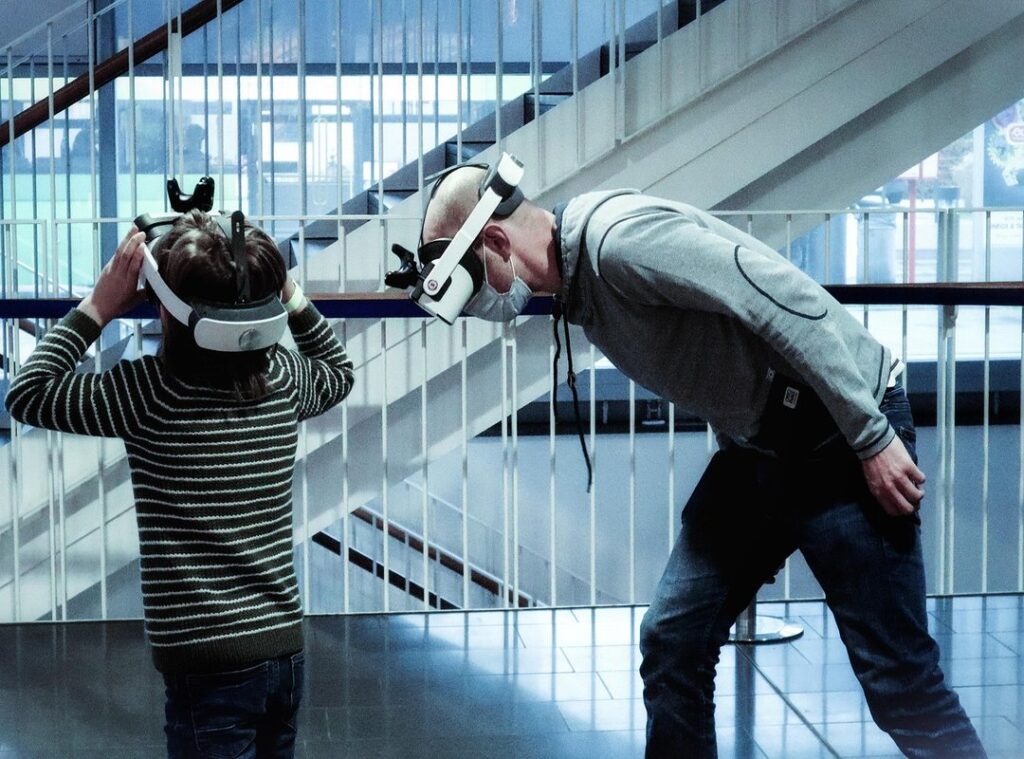
Gamers crave more than just a game. We want to dive into a world that feels real, where every moment pulls us deeper in. But let’s be honest: many games promise immersion yet leave us feeling flat and disconnected.
What’s the deal? It’s frustrating. The truth is, true virtual reality gaming experiences remain out of reach for many.
This article will break down what really makes a game immersive. I’ll share takeaways from both the art of game design and practical player strategies.
I’ve spent years analyzing game quality standards and player engagement. I know what works and what doesn’t. You can trust that the knowledge I’m sharing comes from real experience.
Get ready to learn how to recognize and create genuinely immersive gaming experiences. By the end, you’ll have the tools to transform your gameplay and feel that deep connection you’ve been seeking.
Immersion in Gaming: Beyond Just Playing
Immersion in gaming isn’t just about playing. It’s about losing yourself in a world where the line between player and avatar blurs. Ever felt so absorbed in a game that reality fades?
That’s true immersion. It’s not just entertainment; it’s a deep psychological state.
Tactical immersion is all about mastering mechanics. You know, when you’re so focused on a challenge that nothing else matters. Then there’s strategic immersion.
It involves decision-making and planning, where every choice has a consequence.
Narrative immersion? you connect emotionally with the story and characters. You feel their struggles and triumphs. And let’s not forget sensory immersion.
Realistic visuals and compelling audio make you feel like you’re actually there. Haptic feedback (those vibrations in your controller) adds to this sensation.
These parts don’t stand alone. They intertwine, creating a complete experience. Virtual reality gaming pushes this even further.
It envelops you, making you feel like you’re part of the game world. It’s more than just a game; it’s an experience.
So, what makes a game truly immersive? It’s this blend of elements that pull you in and refuse to let go. That’s what defines an immersive gaming experience.
Immersive Game Design: Building Worlds That Stick
World-building is the backbone of immersive game design. If your game’s universe lacks consistency and depth, players won’t stick around. I believe in detailed environments and rich backstories.
They’re what give games history and depth. What makes a game memorable? For me, it’s those moments where everything just clicks because the world feels both familiar and new.
Characters need life too. We want relatable heroes and villains with real motives. When I care about the character, their choices become my choices (and choices matter).
It’s not just about what’s on the surface; it’s about the inner workings. This isn’t just storytelling. It’s engaging the player’s emotions.
A strong narrative ties them to the world.
Sound design can’t be underestimated. It shapes our experience, pulling us deeper into that virtual space without us even noticing. A subtle soundtrack can make all the difference.
Remember the ambient sounds in horror games? They build tension like nothing else. That’s what I call immersive.
Interface design should keep the player focused, not frustrated. Have you ever been yanked out of a game because the UI was a mess? A clean, intuitive design lets us stay in the moment.
When done right, it feels like an extension of the game world itself. That’s why I lean towards evolving graphics new era. Graphics that don’t just pop but transform the experience.
In virtual reality gaming, every detail counts.
Immersive Gaming: Virtual Reality and Beyond
When it comes to virtual reality gaming, nothing beats the feeling of stepping right into another world. VR places you smack in the middle of the action. It’s not just about watching the game unfold; you’re living it.
Then there’s augmented reality (AR), which cleverly overlays game elements onto the real world. Imagine dragons flying over your neighborhood. Crazy, right?
But let’s talk about haptic feedback. Those precise vibrations in your controller or that tactile vest you wear? They make you feel every punch, every crash.
And the adaptive triggers? They change resistance to mimic real-world actions. Pulling a bowstring feels different than squeezing a trigger.
It’s these small details that make gaming real.
Graphics are another story. Advanced visuals with real-time ray tracing create lifelike environments. You see reflections and changing lighting that make game worlds believable.
But remember, graphics aren’t just for show; they’re for immersion.
And don’t get me started on changing environments. Games with intelligent AI that react to your every move make the world feel alive. It’s like they’re reading your mind.
Want to dive deeper into these experiences? Check out Exploring New Game Narratives.
Dive Deep: Enhancing Immersion in Gaming
Let’s talk about getting lost in virtual reality gaming. It’s not just about the graphics (though, yes, those matter). You need the right setup.

Seriously, invest in high-quality audio equipment. Spatial audio takes you from playing a game to living it. And don’t even get me started on comfort.
Ergonomics isn’t just a buzzword (it’s) the difference between a two-hour session and an all-nighter.
And hey, your mindset matters. Ever tried role-playing your character’s story? It’s not just for D&D enthusiasts.
Dedicate some time, cut out distractions, and let yourself fall into the game’s narrative. It’s like watching a great series (you know the ones that make you cancel plans).
Customization isn’t just for the pros. Why stick with the default when you can create something truly yours? It deepens the connection and makes each victory feel personal.
Finally, tweak those game settings. You know what you like, so adjust difficulty to keep it engaging, not frustrating. For more on diving into virtual reality, check out this detailed guide.
The Future of Immersive Gaming: What’s Next?
Immersive gaming isn’t just about graphics anymore. It’s about boldly integrating every sense into the experience. Imagine feeling the wind as you speed through a digital canyon or having a scent trigger when you walk through a virtual forest.
It’s happening. Developers are pushing boundaries, making virtual reality gaming a truly multisensory adventure.
Procedural generation is another game-changer. Infinite worlds, each unique and full of surprises, crafted by algorithms and not just human hands. You’re exploring a universe where no two adventures are the same, keeping discovery endless.
That’s real innovation (the kind we should care about).
Then there’s AI-driven storytelling. Games are on the verge of offering stories that change based on your choices. They’re personal, adaptive.
You take one path, I take another, and our stories never cross. This dynamism makes gaming feel alive. Not just scripted entertainment.
And let’s not forget cloud gaming. This tech promises to bring high-quality games to your device without the need for top-tier hardware. Accessibility suddenly isn’t an issue.
Anyone can jump in and play.
But with great power, comes responsibility. Ethical considerations in game design matter more than ever. Ensuring player well-being and avoiding over-engagement isn’t just nice.
It’s necessary. Virtual worlds must enrich, not consume us.
Level Up Your Gaming Experience
Immersive gaming is about more than just playing a game. It’s about truly feeling a part of that digital world.
You want to escape the ordinary, and I get that. By understanding the design elements and applying your own strategies, you can deepen your connection to the games you love.
Next time you game, pay attention to the details. Explore new titles with a key eye.
Look for those immersive qualities.
Dive into virtual reality gaming and experience a new level of engagement.
Start now. Your next gaming session could be a whole new world.
 Yryvox Frost is the founder of ExcNConsoles.com, a platform dedicated to the technical and strategic depths of the gaming world. With a focus on game design quality and competitive excellence, Frost has built a space that bridges the gap between casual play and professional insight. By exploring gamer motivation and advanced industry concepts, he continues to shape ExcNConsoles into an essential hub for those looking to master the latest trends in interactive entertainment.