

Miscommunication can ruin everything in high-stakes esports matches. Split-second decisions and perfect combo often separate winners from losers.
I’ve seen it happen too many times. Teams with the skill to dominate still struggle because their communication breaks down under pressure.
It’s frustrating to watch talent wasted on missed opportunities.
This article dives into esports communication strategies that actually work. I’ve spent years analyzing what sets top-tier teams apart. Trust me, it goes beyond generic tips you’ve read before.
We’ll explore actionable strategies that can transform your team coordination and raise gameplay.
You’ll learn how to get through both the technical and psychological demands of high-level competition.
This isn’t just about shouting commands; it’s about creating an environment where every player thrives under pressure.
Get ready to open up the potential of your team and leave those frustrating losses behind.
The Foundation: Core Principles of Esports Communication
Communication in esports isn’t just fast; it’s a wild ride. Unlike casual gaming, where you can chat leisurely about the weather or last night’s TV, esports demands precision and speed. You need to be sharp, concise, and relevant.
Miss a beat, and you might as well hand the win to the other team. Ever tried saying “enemy top lane, no flash” versus “he’s up there, no escape”? The first one saves you a split second, and in esports, that’s huge.
No one needs to know what you had for lunch; they need to know if the enemy is about to ambush. Relevance is key. If it doesn’t impact the game, zip it.
Let’s cut through the noise. In esports communication strategies, you better prioritize. Get the important details out there.
And don’t even get me started on timing. Information late is information wasted. You have to communicate as things happen, or even before.
Predictive calls can be the difference between victory and defeat. If you’re still stuck on analyzing opponent behavior, check out this topic.
So, are you ready to step up your game? Because in esports, every word counts.
Mastering In-Game Callouts: Your Key to Winning
Ever been in a game and couldn’t figure out what your team was saying? standardized callouts come in. A shared language is key. You need it to understand key locations, enemy abilities, and item timings.
Think of terms like “A short clear” or “ulti down.” These aren’t just random phrases; they’re your lifeline in chaos.
But how do you know what to say first? the information hierarchy comes into play. I’ve learned that during heated moments, you need to prioritize. Immediate threats come first.
Then enemy positions, followed by resource status. It’s like triaging in a hospital, but for your game.
And let’s talk about the noise. You know, the unnecessary chatter that clogs up key communication channels. Try minimizing noise by designating ‘quiet times’ or assigning specific roles for communication.
It sounds strict, but it keeps the team focused. Pro tip: Keep emotions in check to prevent chaos.
Acknowledgment is another big deal. Whether it’s a quick “copy” or a simple nod, confirming information is key. This ensures everyone is on the same page and prevents costly miscommunications.
It’s like the glue that holds your plan together.
For a deeper dive into how esports communication strategies can boost your gameplay, check out this guide. It breaks down why communication is your best weapon in competitive gaming. Don’t underestimate the power of clear, concise talk.
It’s often the difference between victory and defeat.
Game-Time Talk: Before, During, and After
In the wild world of competitive gaming, communication isn’t just important. It’s everything. Let’s break down esports communication strategies into three phases: pre-game, mid-game, and post-game.
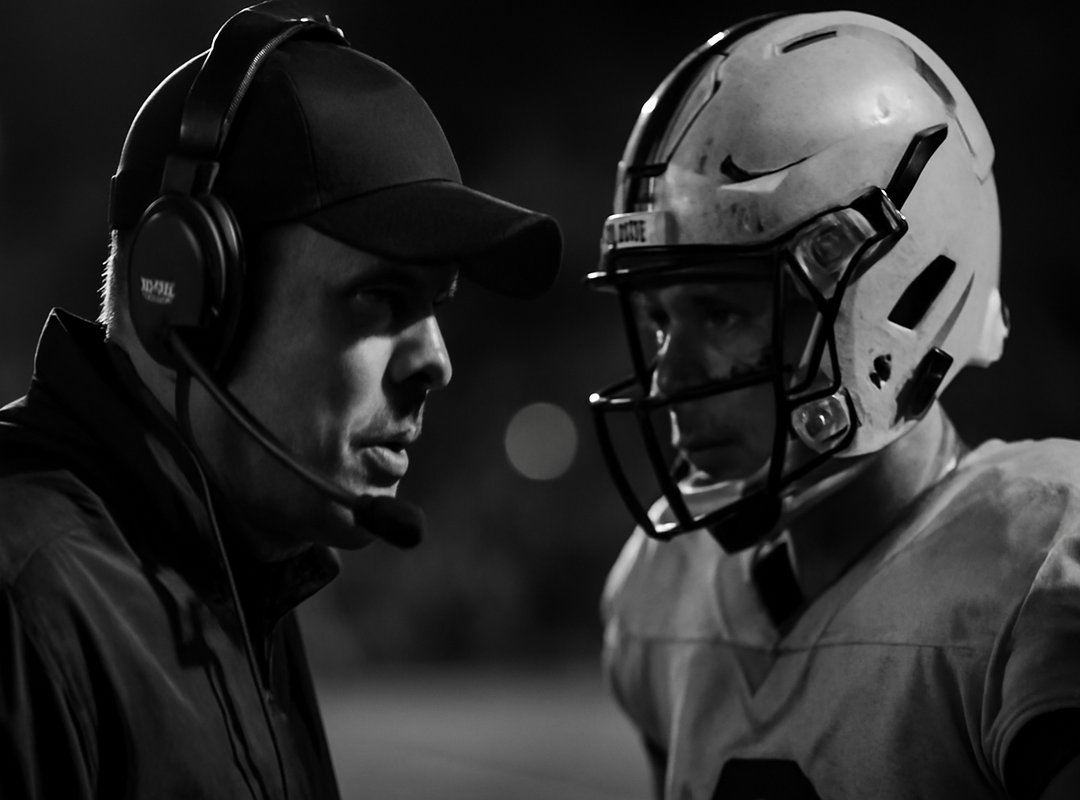
Before the match begins, you must set clear objectives. What are we aiming for? Discuss strategies and assign roles. Everyone should know their responsibility. This isn’t just about tactics. It’s about getting into the right mindset (I’ve seen overconfidence ruin teams before the first whistle). Mental prep is underrated. Set a positive tone and maybe even crack a smile. It’s a game, after all.
During the match, flexibility is key. Can you pivot your plan when things aren’t going to plan? You need someone. Your designated shot-caller (to) be the voice of reason. They need to make quick, clear calls. No time for debate. Just action. They need to steer the ship, even when the waters are choppy.
After the chaos, it’s time for the post-game debrief. This is where the real growth happens. Focus on actionable improvements instead of pointing fingers. Did communication break down? Figure out why and try different phrasing next time. Keep morale up. Constructive criticism keeps the team together.
And don’t forget VOD reviews. These are gold for analyzing what went wrong or right. Missed a call?
Evaluate it. Assess if the team’s comms were effective. It’s all part of mastering art of team play.
So, are you ready to dive deeper and raise your game?
The Human Element: Emotions and Cues in Esports
Communication in esports isn’t just about shouting commands or strategies. It’s about reading the emotional intelligence of your team. You can often recognize stress or frustration in a teammate just by the tone of their voice or subtle in-game actions.
Ever notice when someone hesitates before a key play? That’s a sign. It’s a psychological game as much as a physical one.
Keeping your cool is key when the pressure’s on. I’ve seen teams crumble because they lost their composure, not their skills. Maintaining a positive mental attitude can keep communication from falling apart.
You know when someone loses it, and soon everyone’s yelling over each other? Yeah, that’s what we want to avoid. Take a breath and speak clearly.
Encouragement goes a long way. I mean, who doesn’t like a pat on the back for a good play? Positive reinforcement boosts morale and keeps the team’s energy high.
It’s not just feel-good fluff; it’s a proven esports communication plan for sustained performance.
Non-verbal signals. Pings, emotes. Are your secret weapons.
They’re quick and less new than shouting into your mic. Perfect for complex maps or when action’s too fast for words. Use them wisely to supplement your verbal cues.
Conflicts happen. They’re unavoidable. Handling them constructively during and after a match is key.
Don’t let misunderstandings fester. Address them directly but calmly. It keeps the team focused and united.
In esports, mastering these communication strategies can be the difference between victory and defeat.
Communicate to Dominate
You’ve explored actionable esports communication strategies that can change the game.
Let’s be real: the gap between average teams and elite ones often boils down to communication. When the pressure is on, clear and concise callouts make all the difference.
By adopting standardized callouts and engaging in structured debriefs, you create a system for success. Emotional intelligence? That’s the secret sauce for building team combo.
So, what’s next? I challenge you to integrate these strategies into your practice sessions.
You have the tools now. Actively work on your communication skills.
I promise that the consistent effort will lead to better coordination and give you a significant competitive edge.
Communication isn’t just a skill; it’s the true path to victory.
Start today and watch your team’s performance soar. The time to raise your game is now.
 Sylritha Marrowlance was instrumental in defining the technical architecture and editorial precision of the project. Her expertise in analyzing competitive gaming strategies and game design quality standards ensured that the content remained both authoritative and high-performing. By meticulously overseeing the integration of advanced concepts, she helped transform the site's initial vision into a robust platform that meets the rigorous demands of elite gamers and industry professionals alike.